Concerts · Cleveland, Ohio
Inside Polina Osetinskaya's Cleveland Recital at Severance Music Center
SEPTEMBER 12, 2025
There are performances where the room itself becomes part of the story.
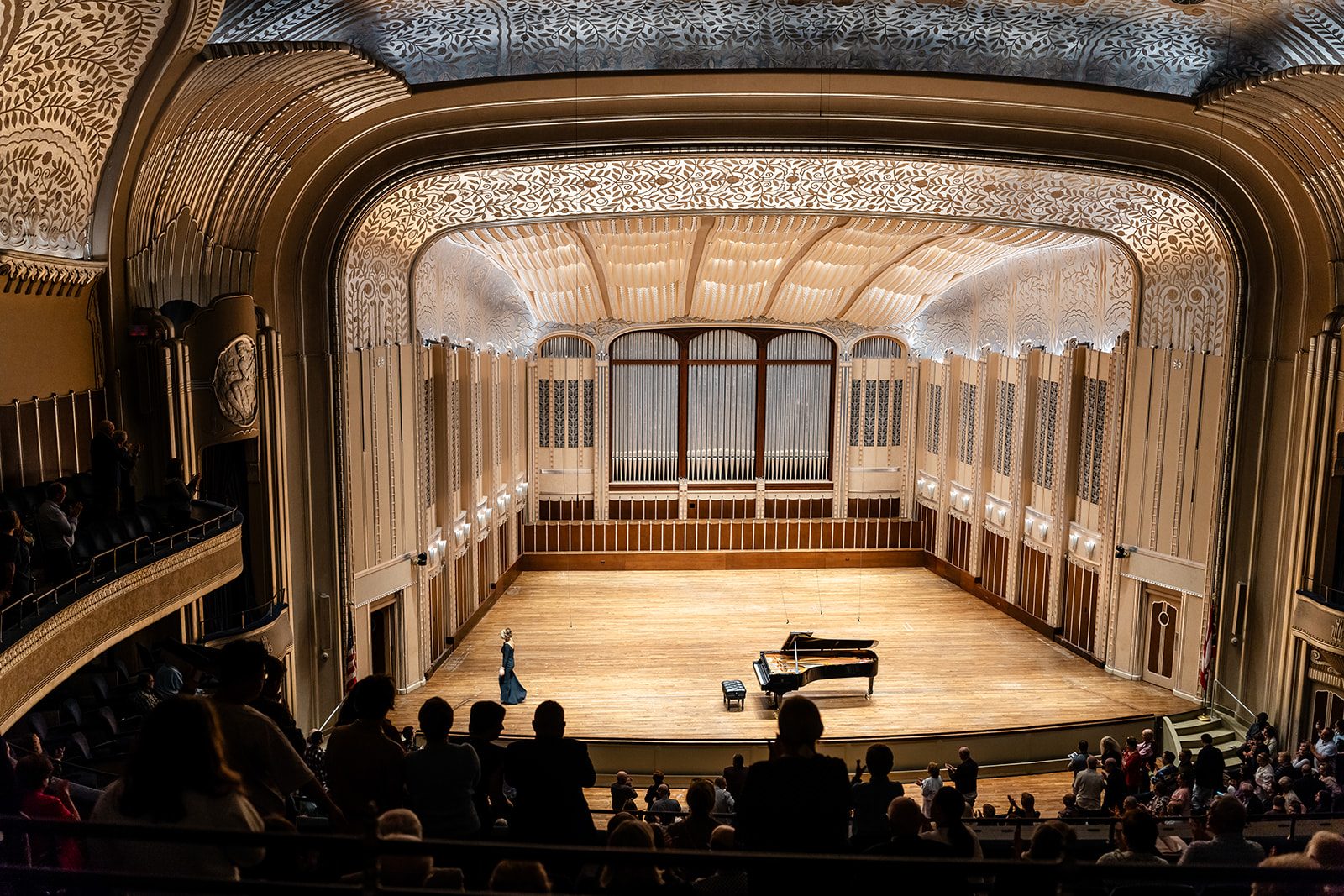
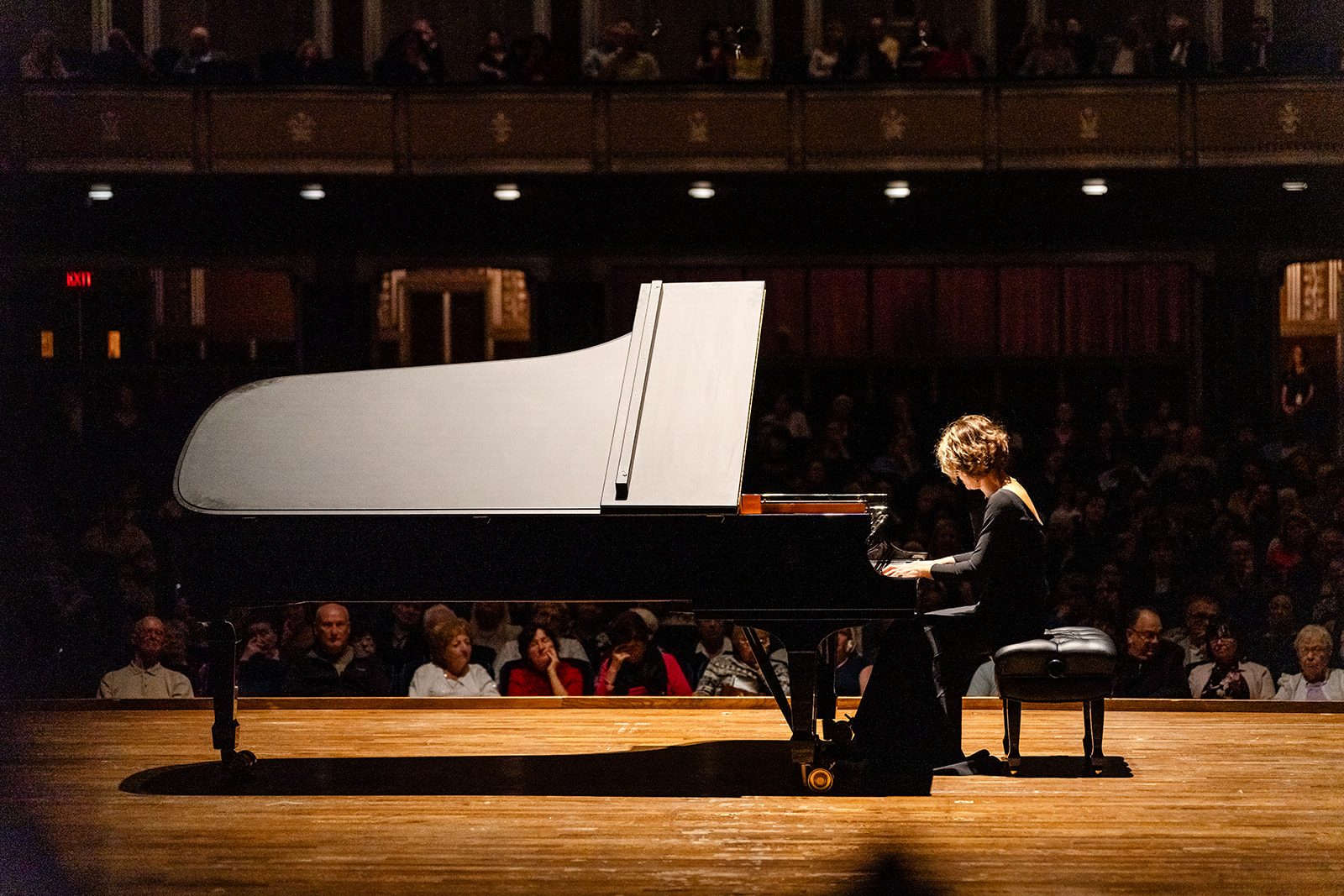
Photographing pianist Polina Osetinskaya at Severance Music Center in Cleveland meant working with far more than a performer and a piano. The architecture, darkness of the hall, warm stage light, reflections from the Steinway and quiet concentration of the audience all became part of the visual language of the evening.
Osetinskaya came to Cleveland with “The Art of Transcription,” a program dedicated to music transformed for solo piano. Rather than approaching the instrument as something self-contained, the recital explored its ability to suggest the scale, color and emotional range of much larger musical forces. The program moved deeply through Bach before turning to major works by Tchaikovsky, including music from The Nutcracker and the Pathétique Symphony.
For us, photographing that idea meant looking for the same thing visually: how large can one person, one instrument and one pool of light feel inside an enormous room?
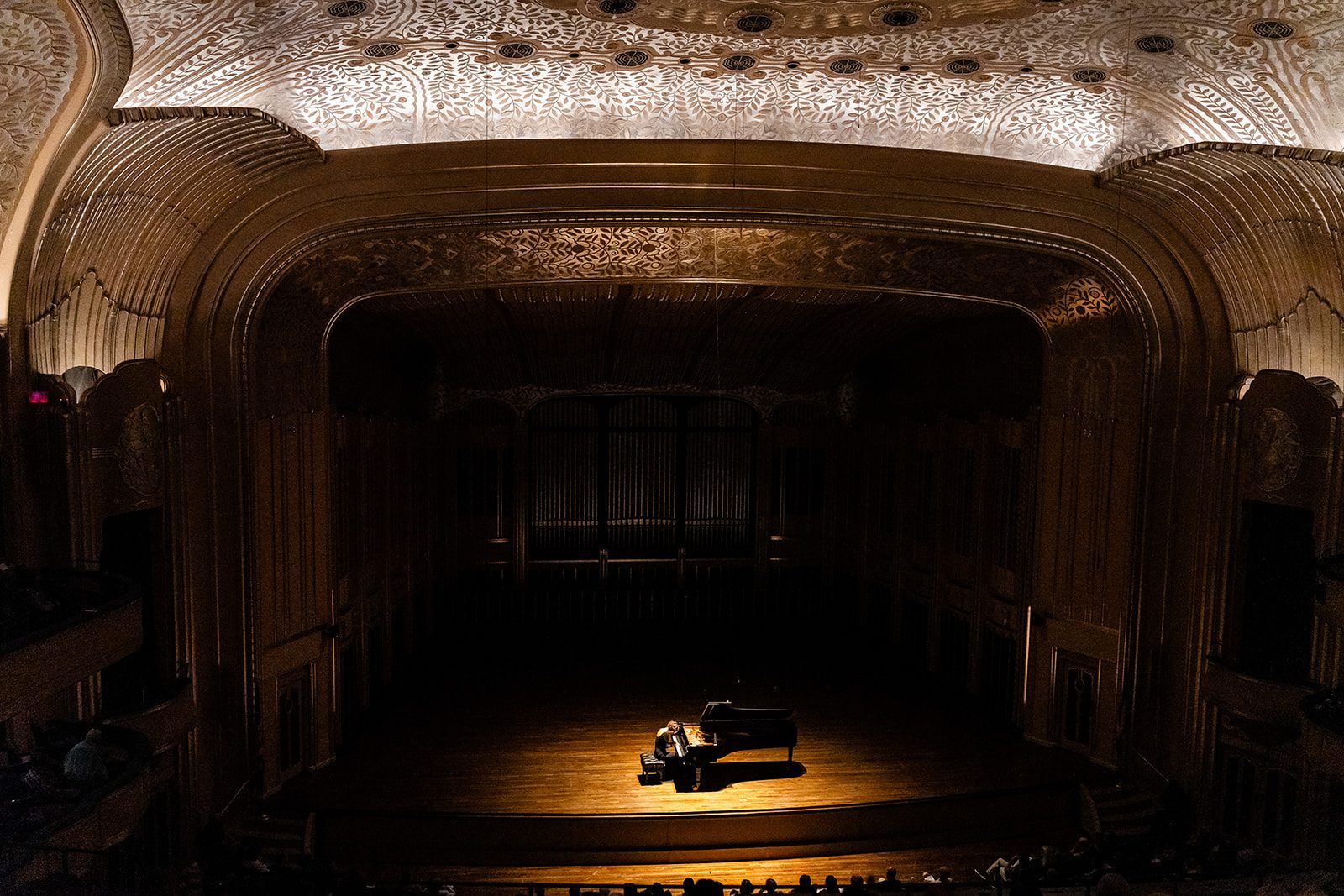
A Piano Alone in the Light
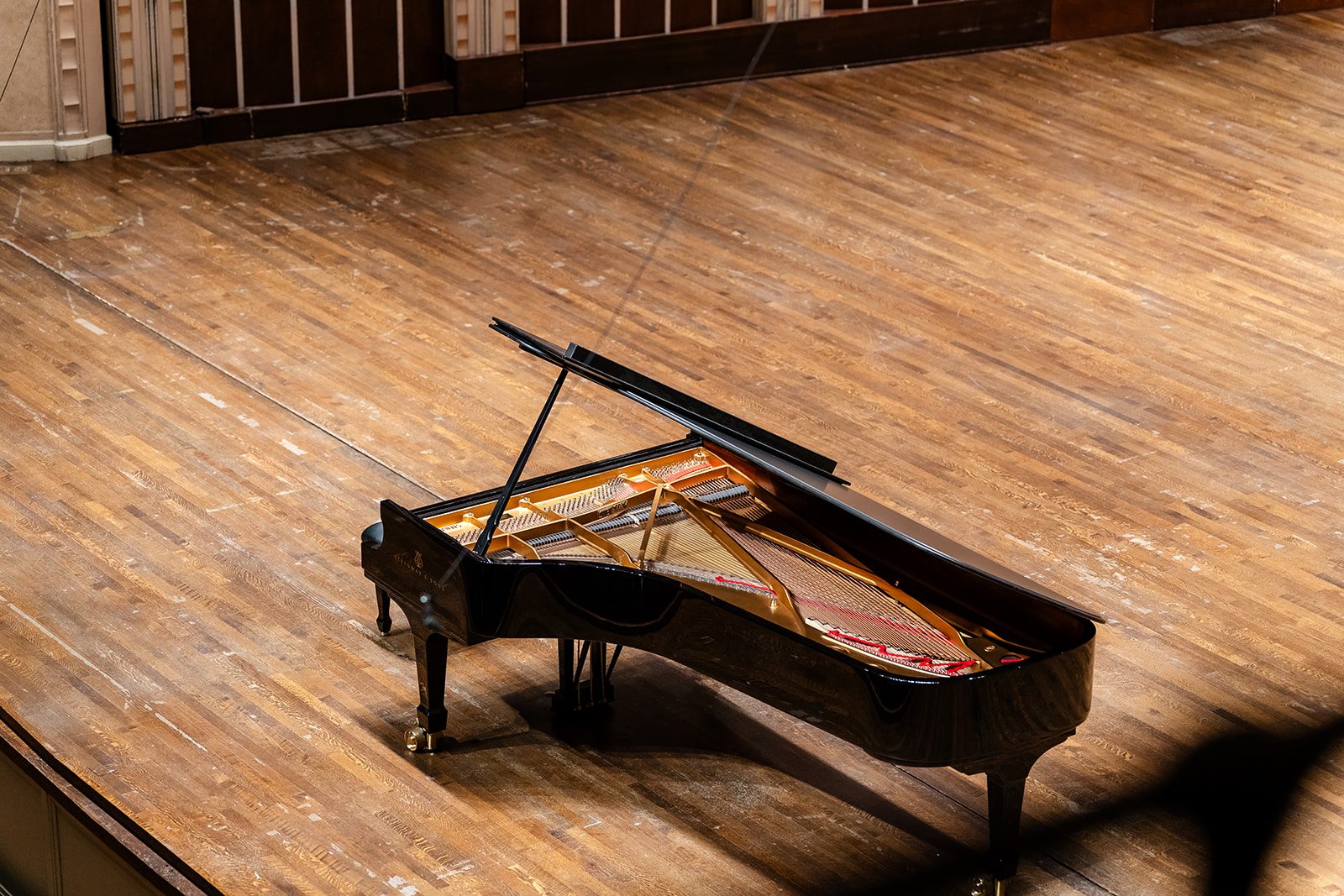
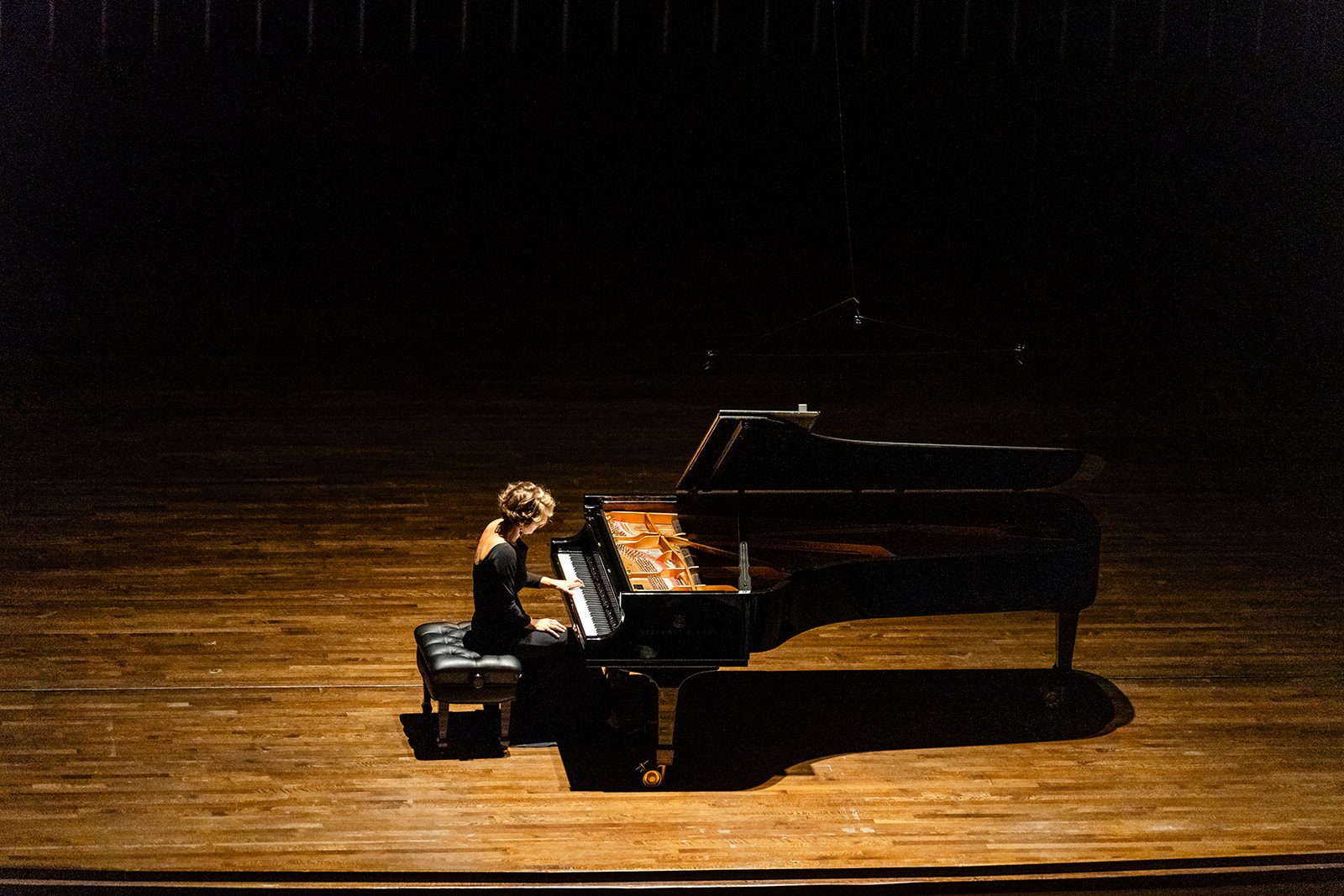
Before getting close, sometimes the strongest way to photograph a performance is to move farther away. From high inside Severance, the stage becomes almost impossibly small against the surrounding darkness. A single warm spotlight catches Osetinskaya and the Steinway while the illuminated ceiling and architecture stretch far beyond her. That contrast immediately tells you what kind of evening this was. One musician. One piano. An enormous hall. And yet nothing about the performance felt small.
Photographing the Concentration Behind the Performance
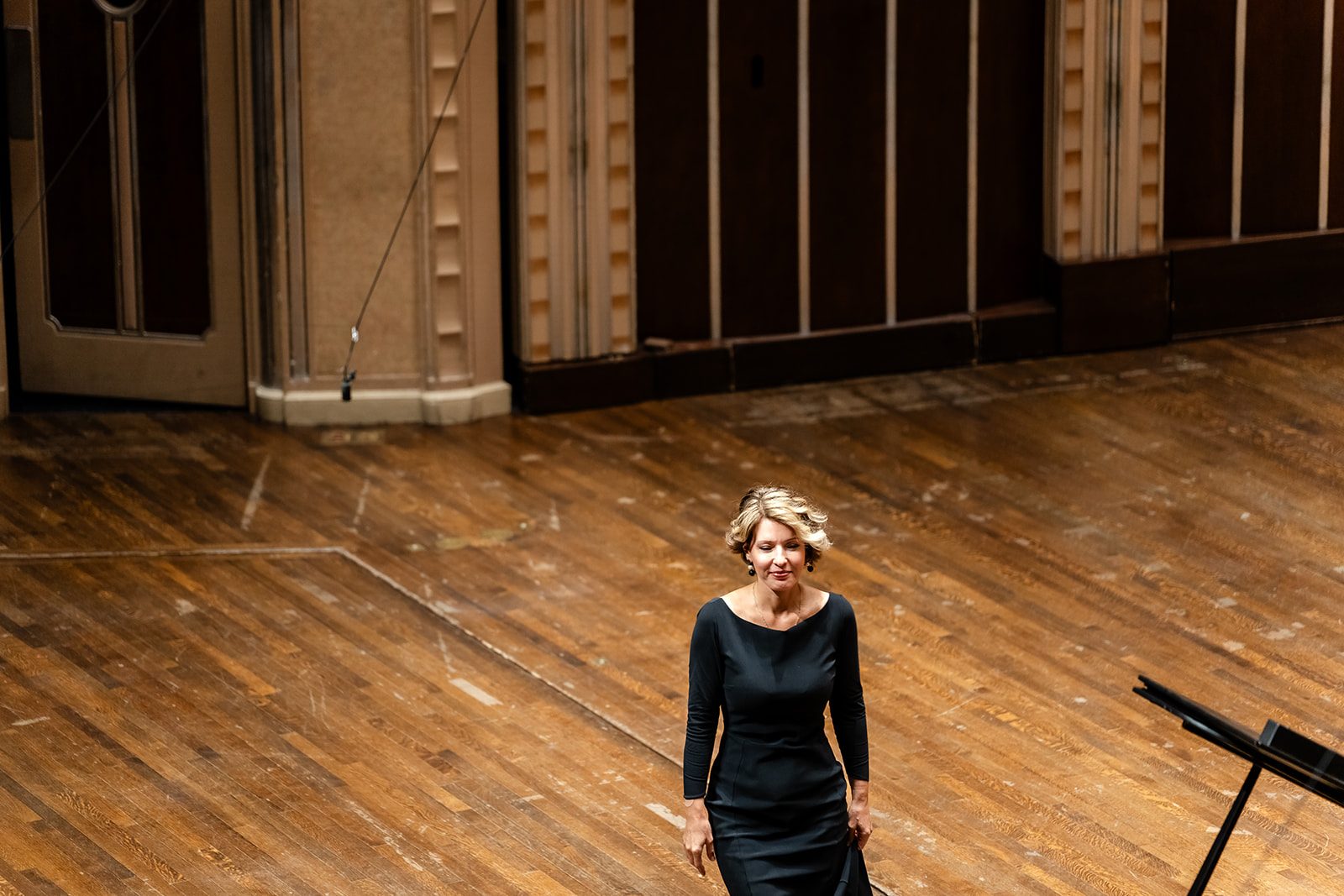
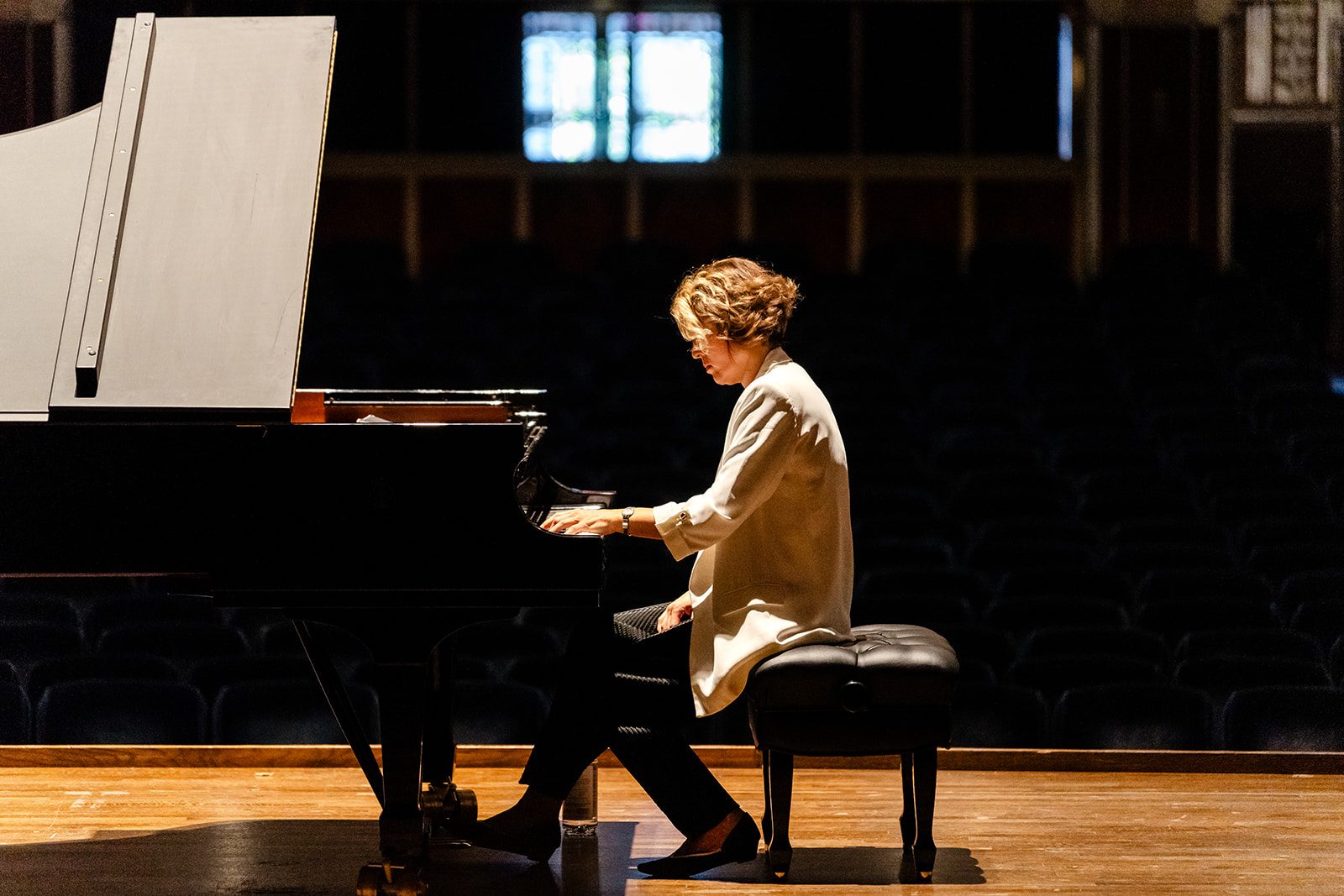
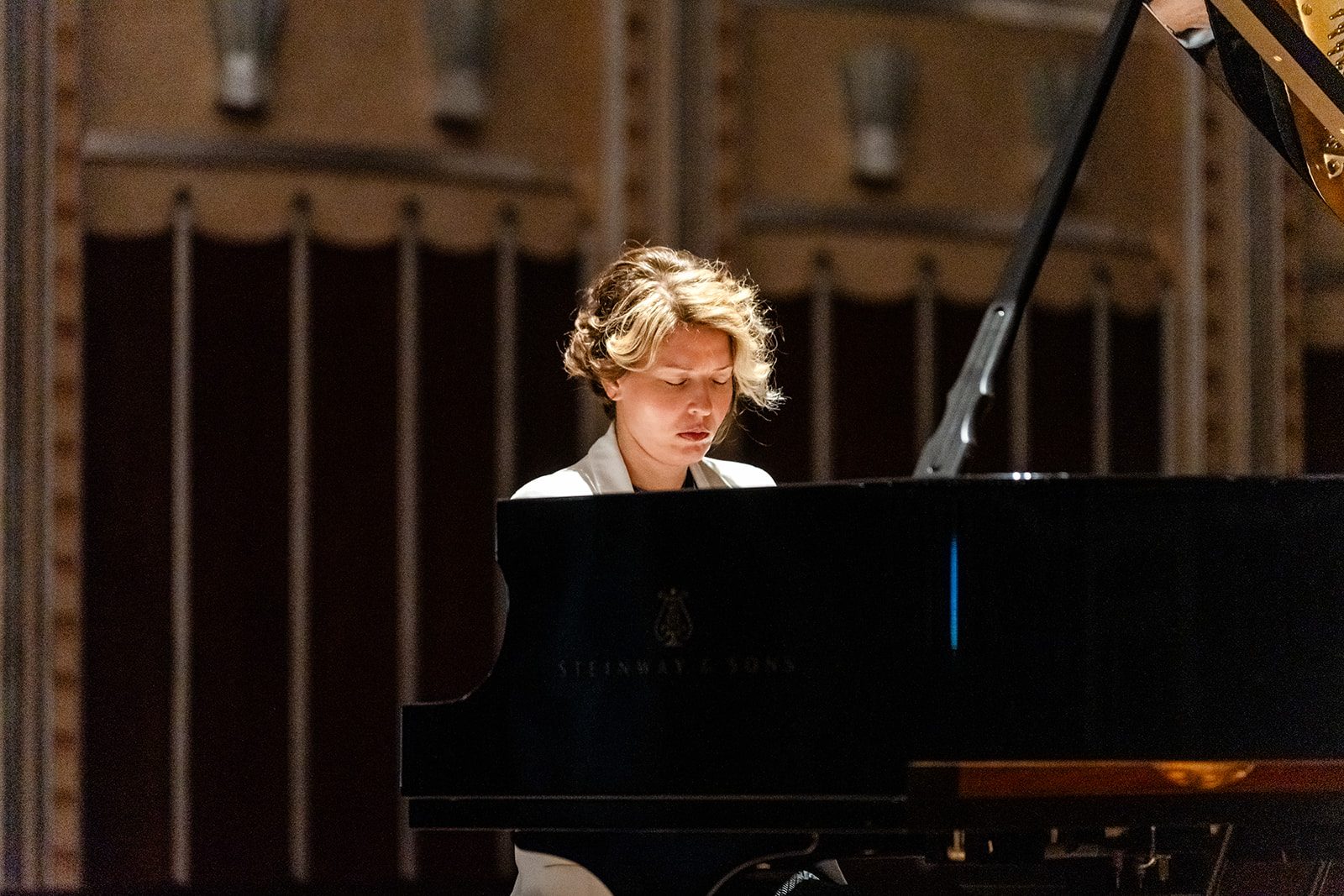
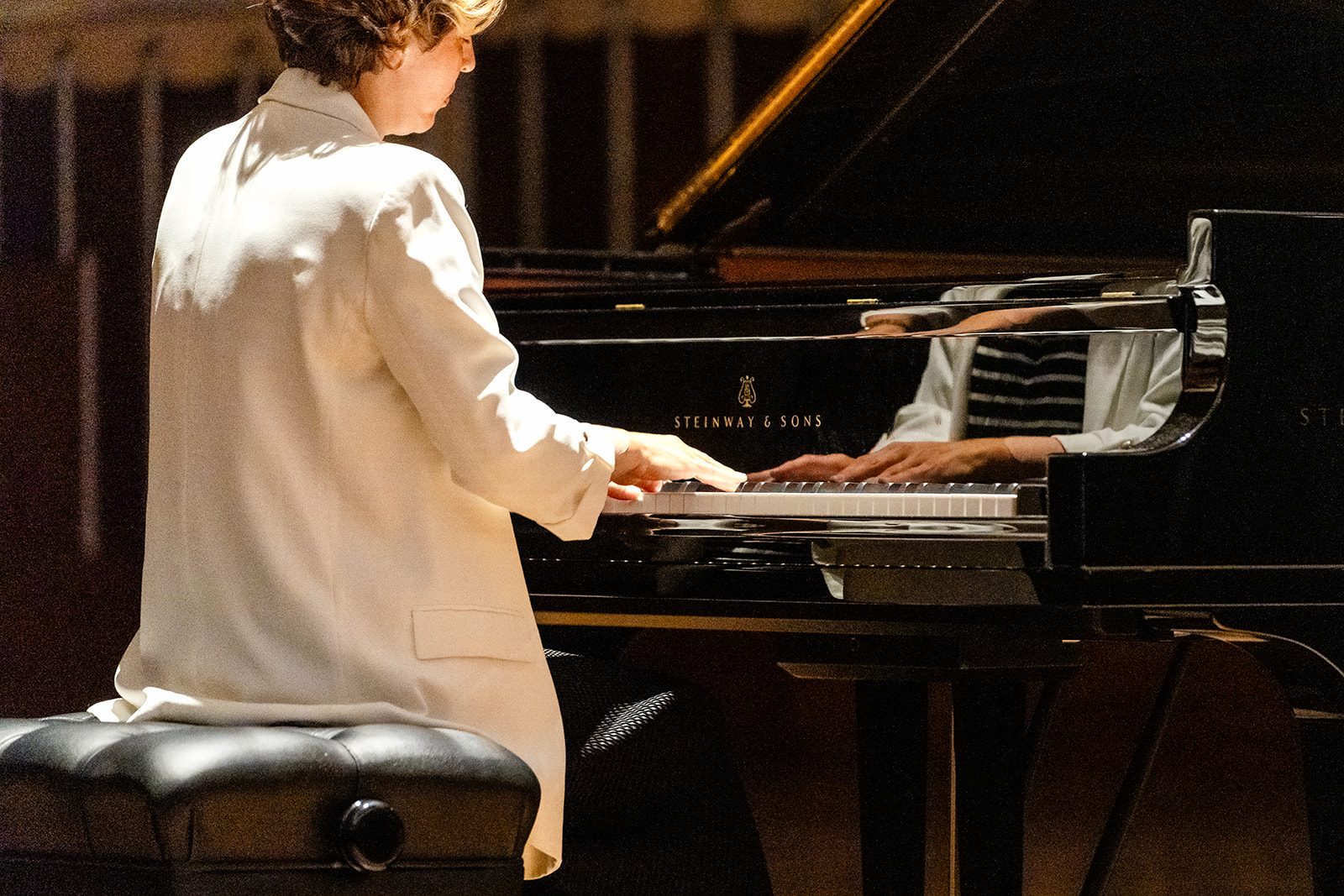
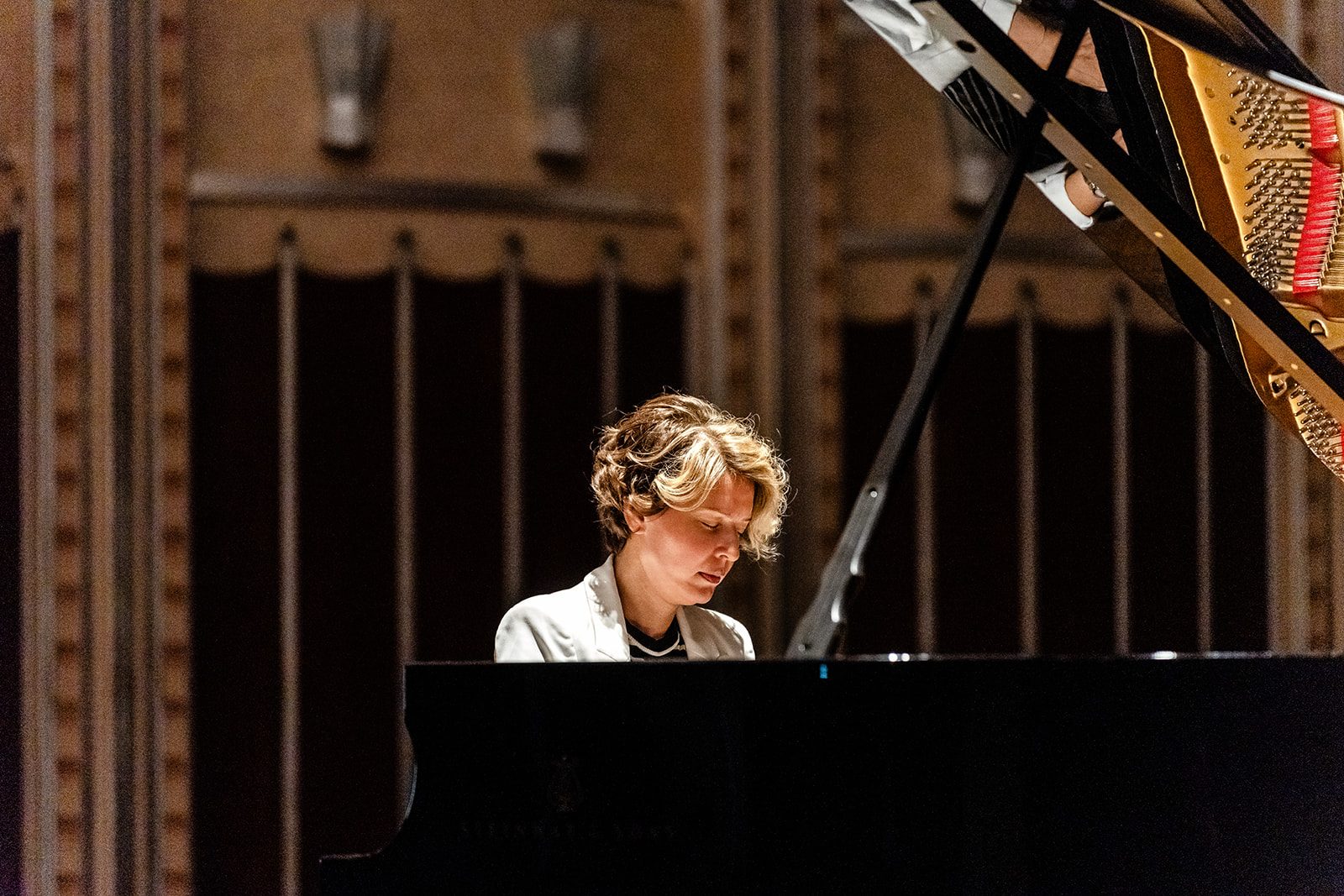
Concert photography becomes especially interesting when you stop looking only for the obvious dramatic moment. From close to the piano, much smaller changes become important: closed eyes, the angle of a hand, the position of the body over the keyboard and the split second between phrases.
The preview for Osetinskaya's Cleveland appearance made clear that virtuosity was not intended to be the purpose of the evening by itself. She described the program as an exploration of the piano's possibilities and of something deeper than technical display. That concentration is visible in the photographs.
When the Piano Becomes the Orchestra
“The Art of Transcription” was built around taking music created for larger forces and asking what happens when all of that responsibility is placed into ten fingers and a single instrument. The first half combined several Bach transcriptions, including music from the Christmas Oratorio, a solo-piano treatment of Bach's Concerto for Four Harpsichords and Busoni's monumental transcription of the Chaconne. The second half moved into Tchaikovsky through Mikhail Pletnev's arrangement of The Nutcracker and Samuil Feinberg's transcription of the Scherzo from Symphony No. 6. That made the physical relationship between pianist and instrument worth photographing in its own right.
Cleveland, Bach and Tchaikovsky
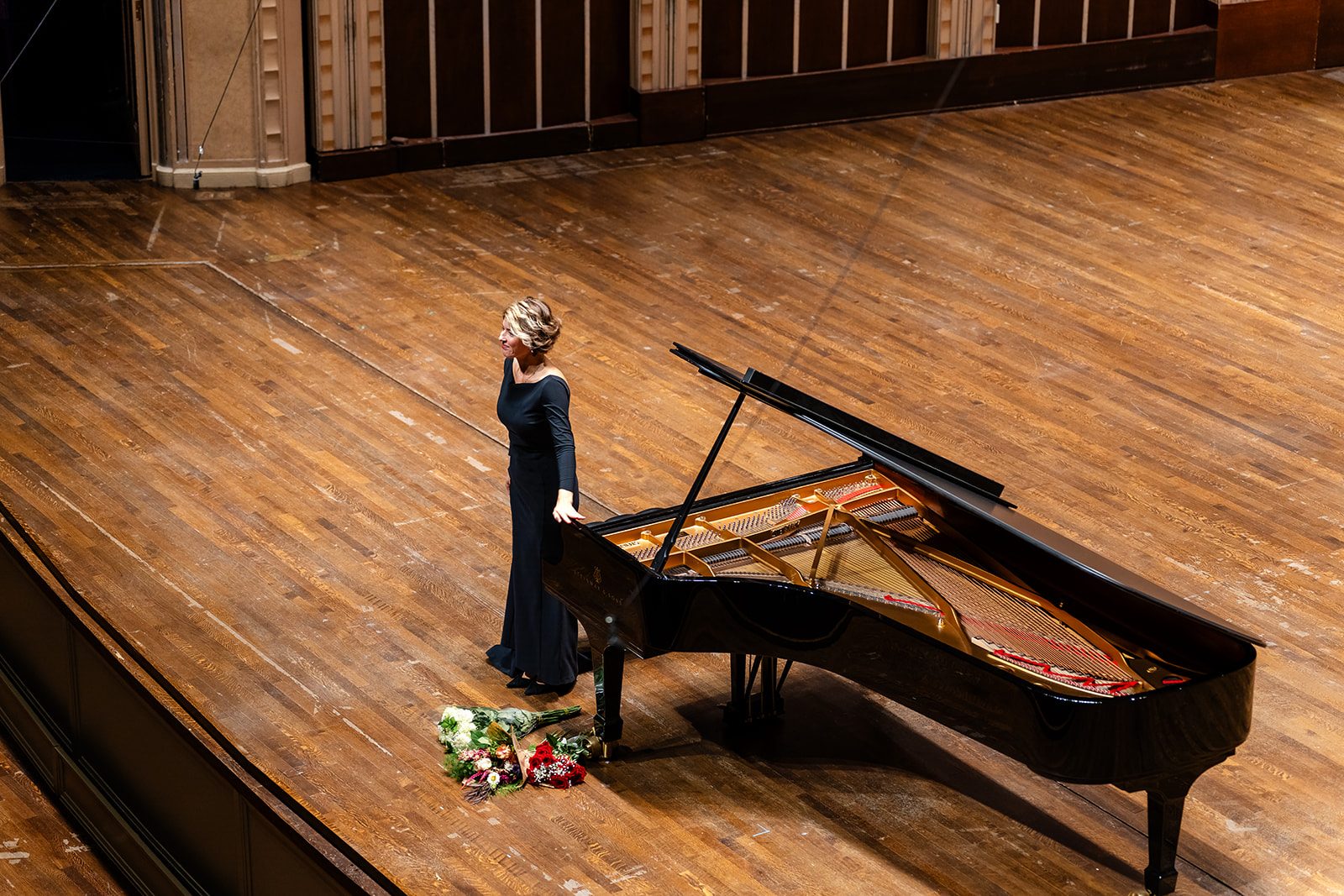
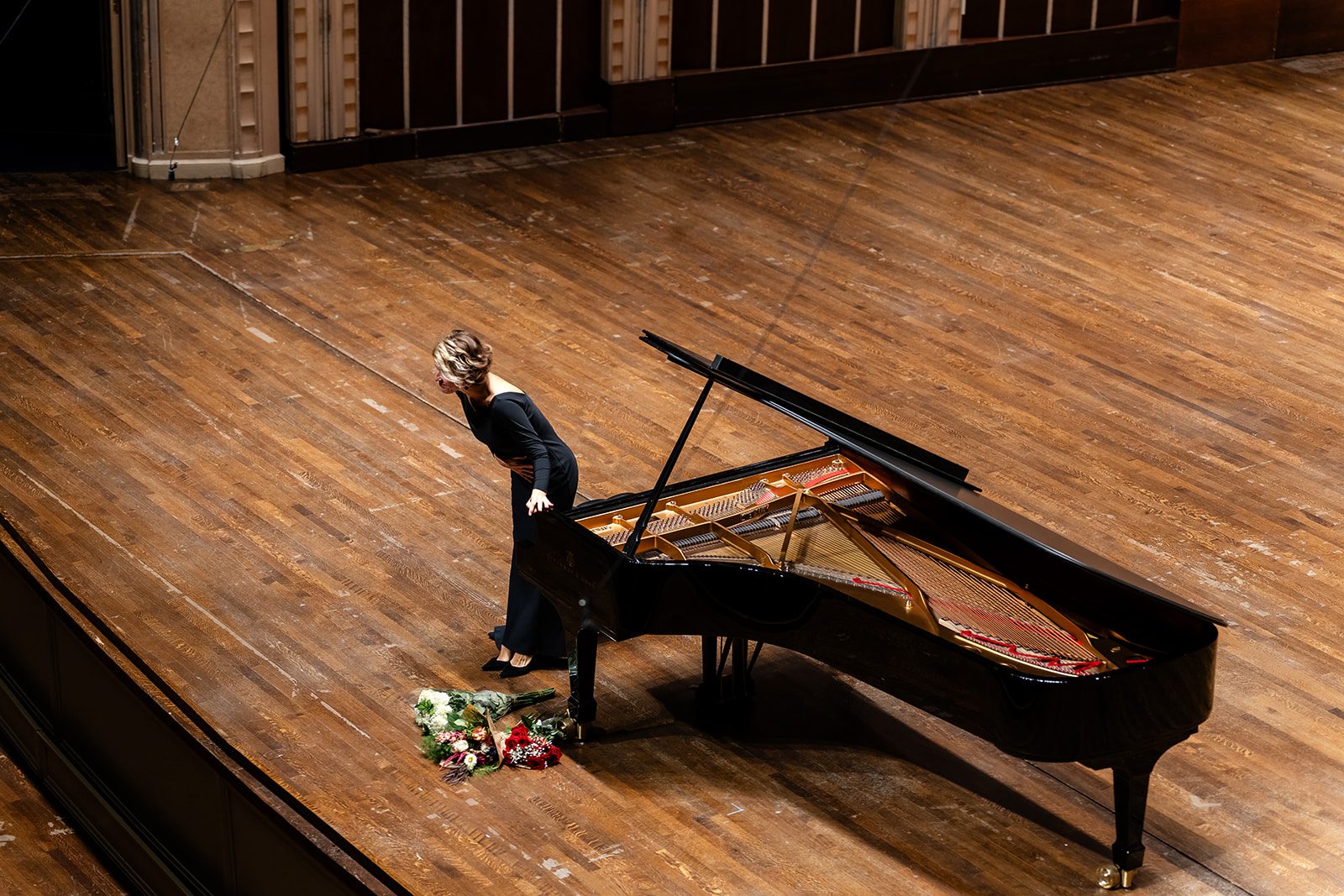
Later reviews described Osetinskaya's Cleveland debut as moving continuously through five Bach works before a strongly received second half centered on Tchaikovsky. The evening concluded with flowers, ovations and an understated encore. Photographically, the darker compositions from the middle of the performance give way to something more celebratory as the concert reaches its conclusion.
Beyond the Stage
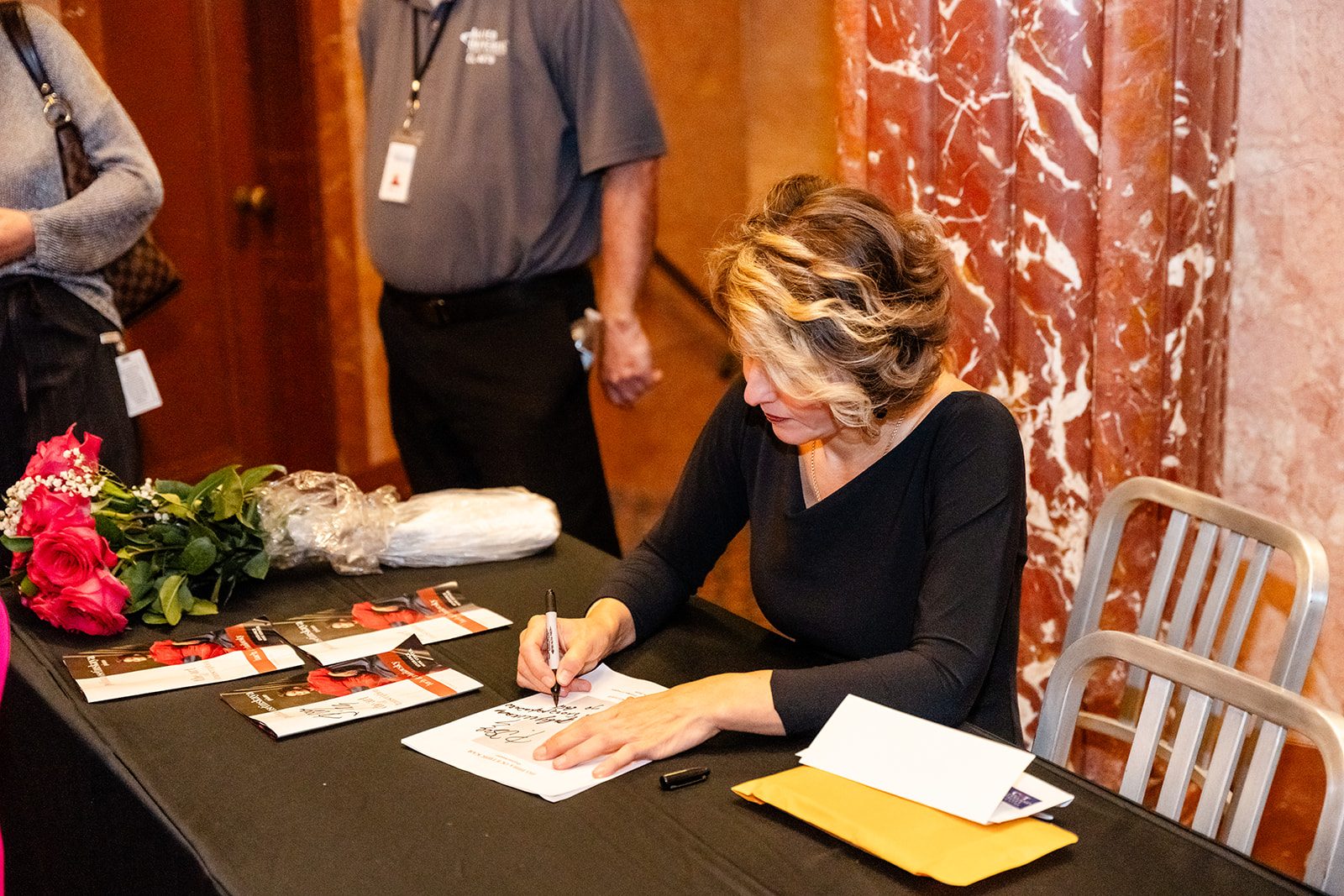
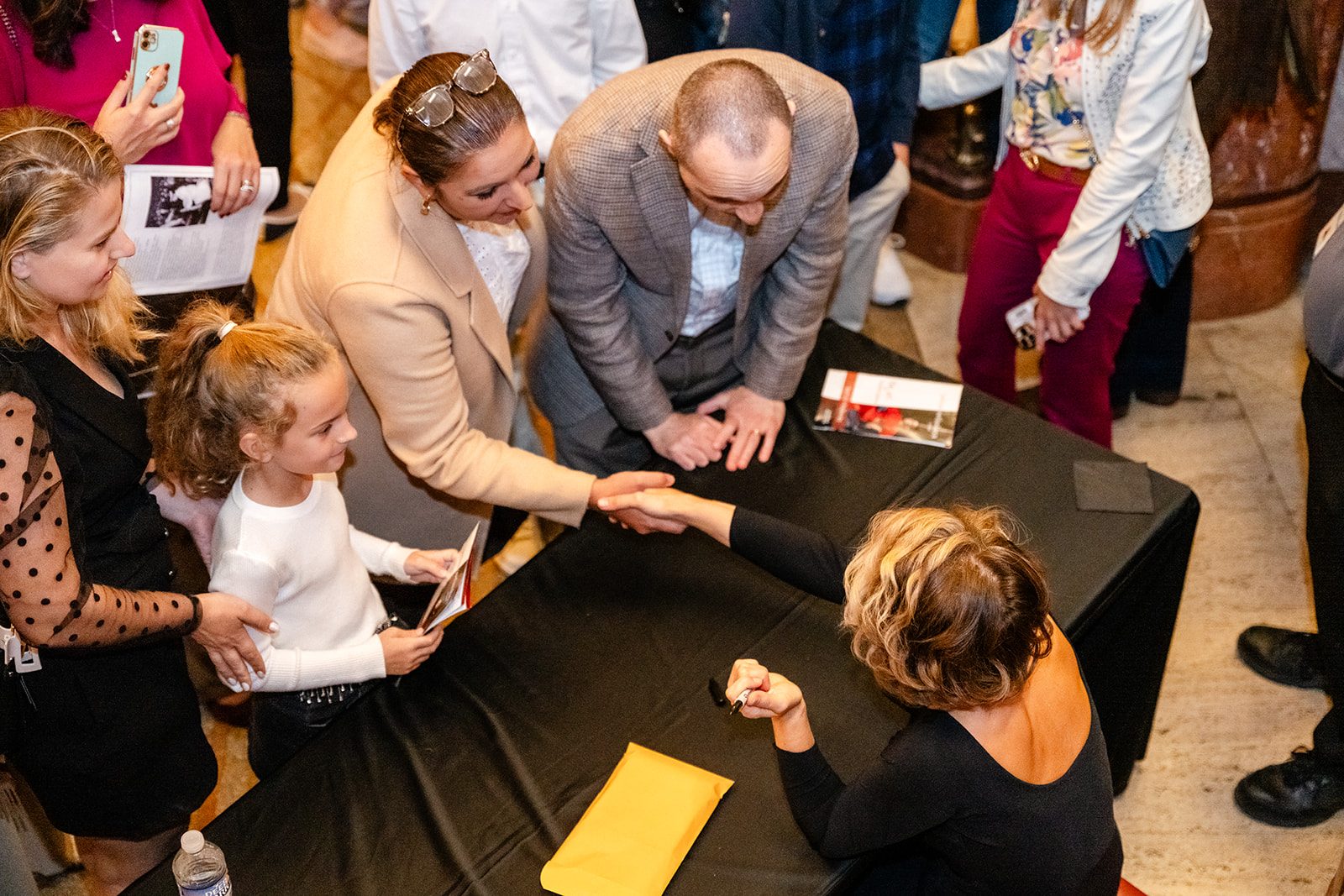
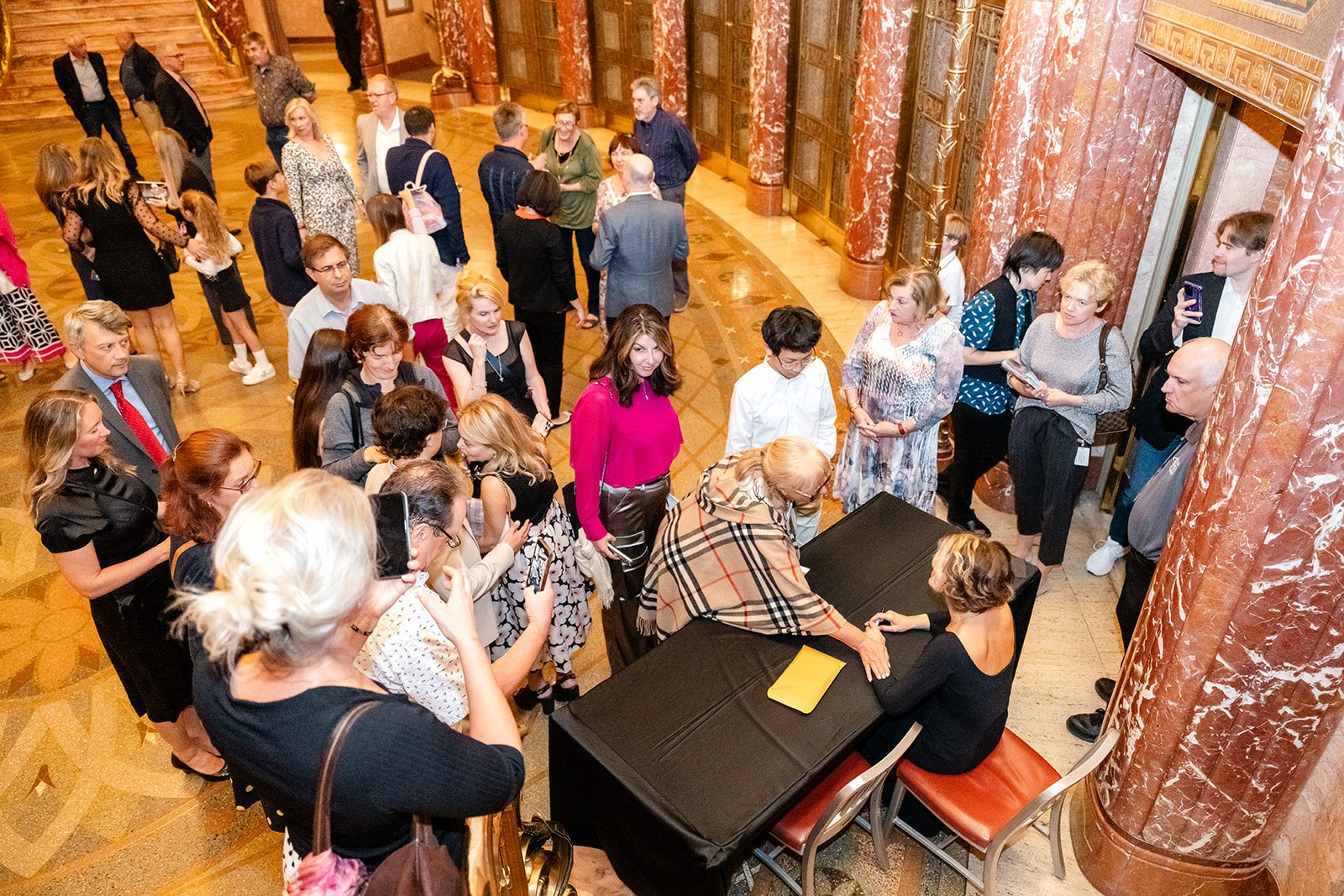
The story did not end when the house lights came up. After the recital, the visual environment changes completely. The deep blacks and tightly controlled stage lighting disappear. The lobby becomes warmer, busier and more personal as audience members gather around Osetinskaya. That shift makes the final photographs feel almost like an epilogue.
Photographing Live Performance in Cleveland
Concert photography asks for a different kind of attention. There is no asking the performer to repeat something. No moving someone toward better light. No pausing the room while you find another angle. You watch. You anticipate. And you try to recognize the moment before it happens.
Polina Osetinskaya's Cleveland recital offered everything we love about photographing live performance: dramatic light, beautiful architecture, genuine concentration, physical movement and an audience completely engaged with what was happening on stage. From one pianist alone beneath the lights of Severance to the crowd surrounding her after the final notes had disappeared, the evening became a story about much more than documenting who was there. It became a story about performance, place and atmosphere.